

Customs and traditions accompany the people in our region throughout the year. They bring generations together, mark the changing of the seasons and bring communities together. From Fasnacht to Advent, there are plenty of opportunities to experience them first-hand.
Open-air concerts
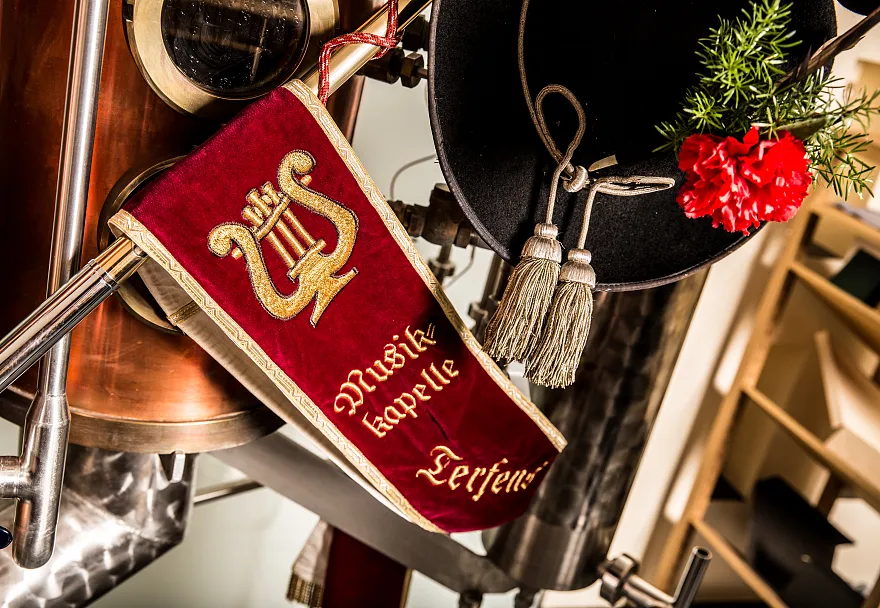
On balmy summer evenings, the village squares of the Karwendel Silver Region come alive with music. The brass bands invite you to a open-air concert, featuring marches, polkas and a selection of modern pieces. Come and join in, soak up the atmosphere and round off the day with some great music and good company.
Carnival
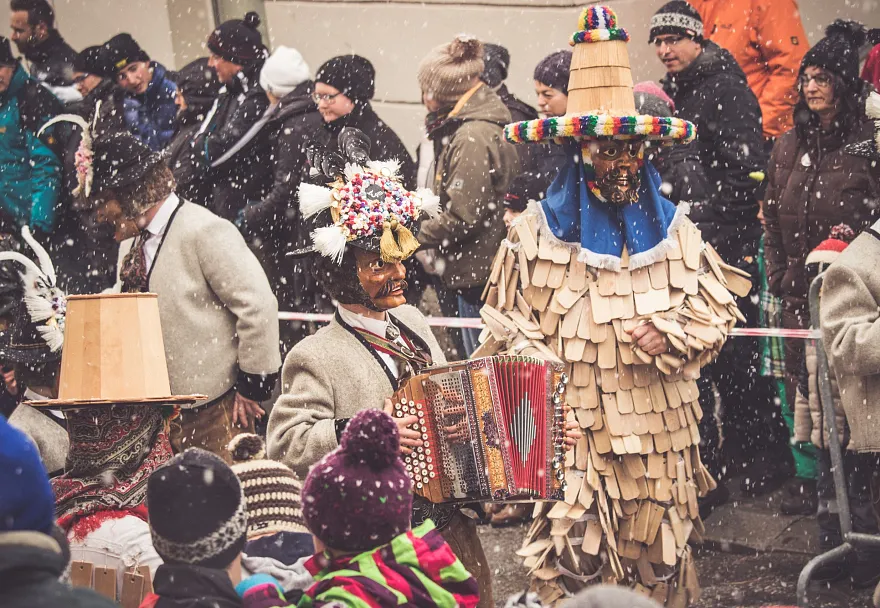
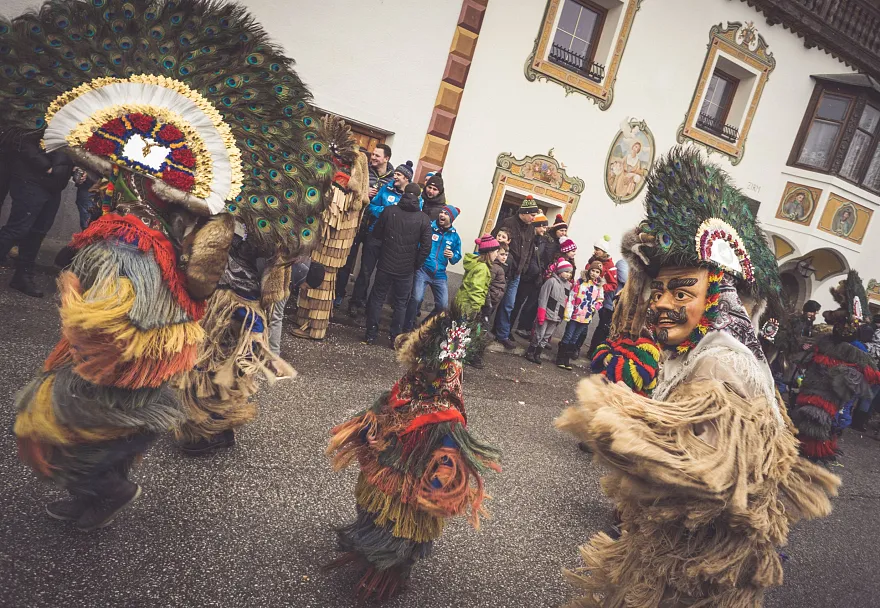
Loud, colourful and a tradition for centuries: every year, the Weerer Muller chase away winter during Fasnacht. Behind the masks are local people who, during the Carnival nights, transform themselves into Zottlers, witches or Spiegeltuxers. What looks like wild revelry is an ancient trial of strength: good versus evil, day versus night, spring versus winter.
Carnival
Fool’s Thursday in Schwaz
Since 1977, Fool’s Thursday in Schwaz has belonged to the revellers. As early as the morning, children from Schwaz’s nurseries parade through the town in fancy dress. At around 2.00 pm, the town hall is taken over, and to the sounds of the Rathauscombo, the key is handed over to the Fools’ Mayor. Afterwards, there is a huge celebration in the town centre, with music, a fools’ disco and a fancy dress competition. As every year, the Schwaz folk group also parades through the town and puts on a performance. The free carnival celebrations are organised by the 1. SFG 1977.
Fool’s Thursday in Jenbach
“Tengl, Tengl!” is the cry on Fool’s Thursday in Jenbach. At 11.11 am sharp, Südtiroler Platz by the town hall becomes the carnival zone. At 1.13 pm, the mayor hands over the town key to the ‘fool’s mayor’, after which the ‘Tengl Tengl’ flag flies over the town for five days. A regular feature of the programme is the Figler dance troupe, who rehearse a new theme every year. Dress up, join in the chants and celebrate amidst the colourful festivities in the town centre.
Easter &
Spring traditions
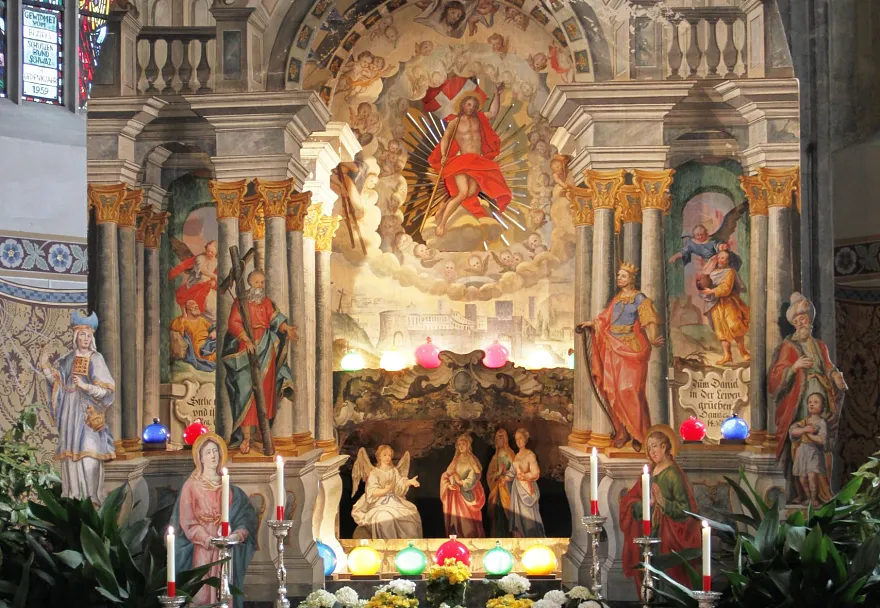
At Easter, Tyrol shows its traditional side. On Palm Sunday, artistically bound palm bouquets are blessed in church; these are then believed to protect the home throughout the year. From Maundy Thursday onwards, the church bells fall silent; according to tradition, they fly to Rome, and in many places wooden rattles are clattered in their place. On Easter Sunday, bread, eggs and smoked meat are finally blessed and then eaten together. If you’d like to experience the anticipation of the holidays for yourself, why not pop along to one of our Easter markets?
Cattle drive
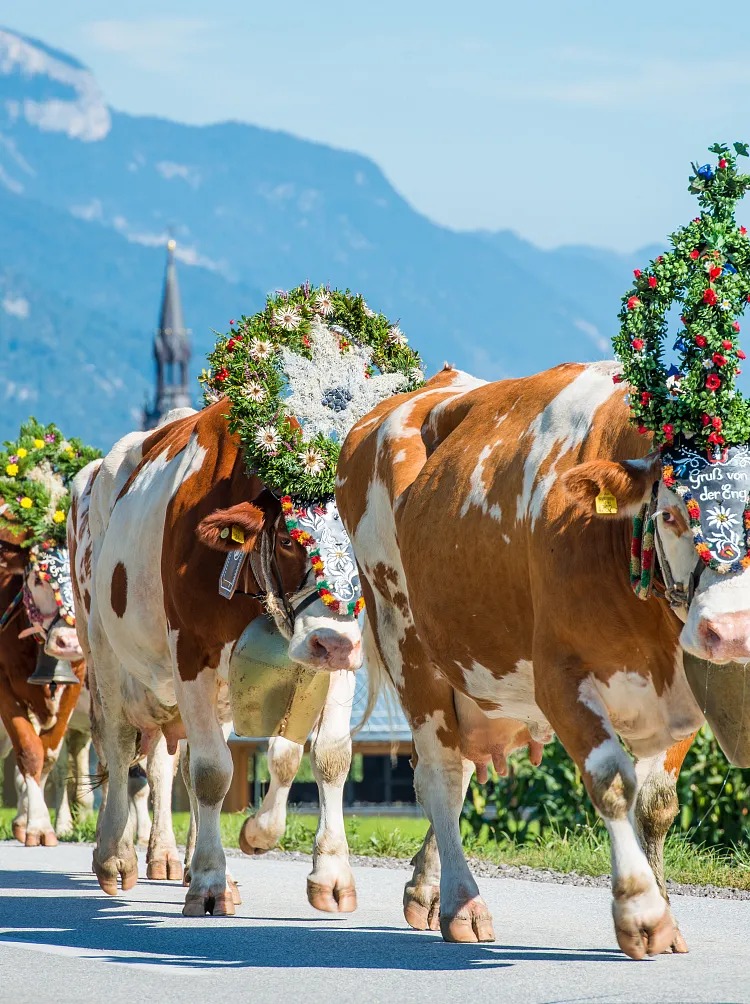
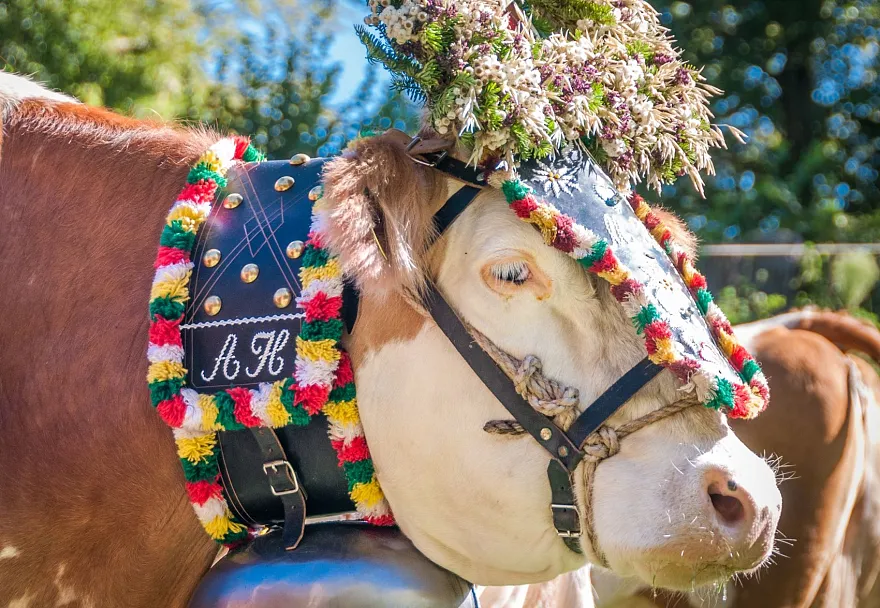
As summer draws to a close, cows, sheep and goats return from the alpine pastures down to the valley. For the journey home the animals are festively adorned with flowers, ribbons and large bells that can be heard from afar. Accompanied by dairymen and shepherds in traditional costume, they make their way through the villages, bringing a taste of alpine life down into the valley. It is a custom that shows just how closely life here remains connected to nature and the mountains to this day.
Krampus
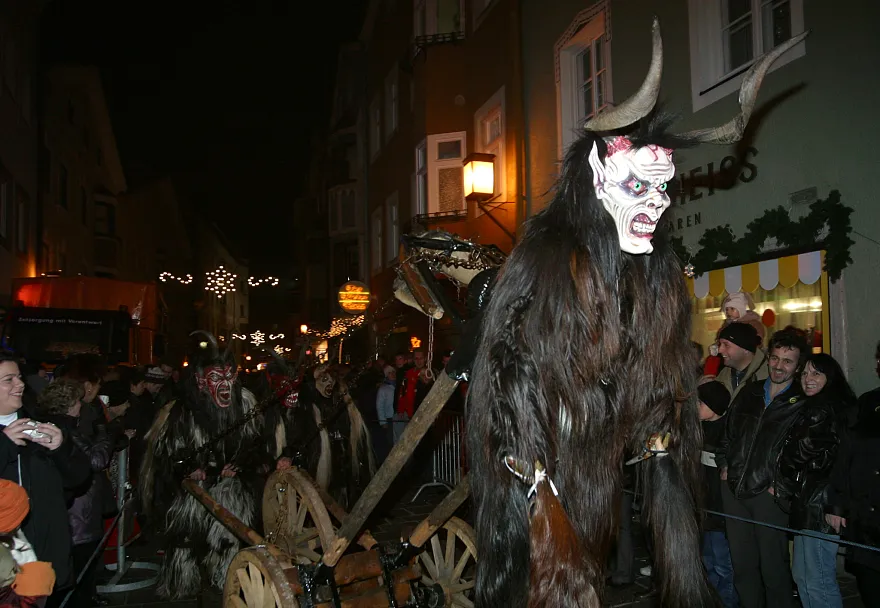
At the start of December, Tyrol becomes noisy, wild and a little spooky. That’s when the Krampuses, with their hand-carved wooden masks, shaggy furs and heavy bells, parade through the streets, sending shivers down your spine. According to tradition, the Krampus is St Nicholas’s companion: whilst St Nicholas gives presents to well-behaved children, the Krampus warns the naughty ones. However, its roots go back even further, to ancient customs intended to drive away evil spirits during the dark season.
Advent &
Christmas
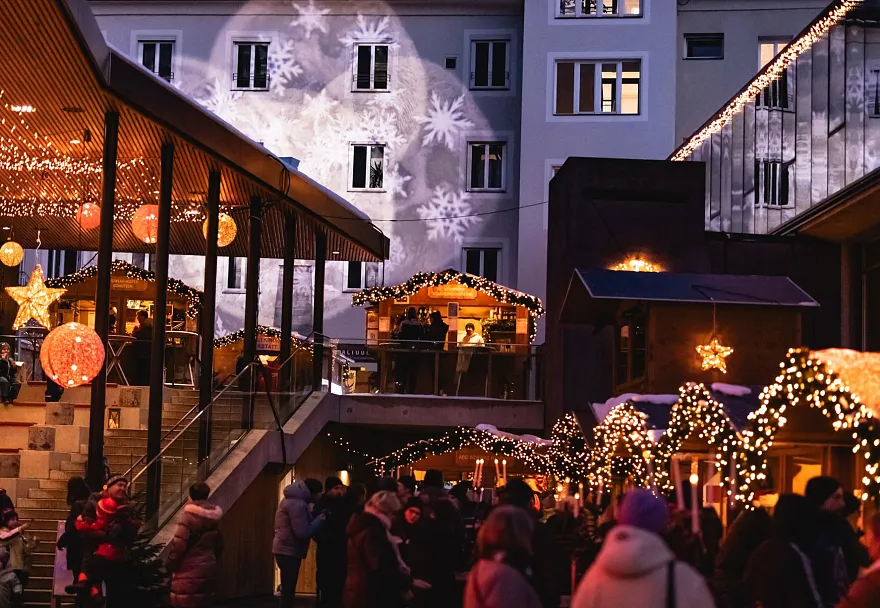
When it gets dark early outside, the quietest time of the year begins in Tyrol. During Advent, candles glow in the windows, nativity scenes are set up in many homes, and the Advent markets are filled with the scent of mulled wine and cinnamon. Across the region, the Anklöpfler also go from door to door, singing songs that tell the story of Mary and Joseph’s search for shelter. On Christmas Eve , the moment finally arrives: with the midnight mass and the ringing of the bells, a very special tranquillity descends upon the villages.
Traditions
Experience
Grass-feeding
Grass-feeding
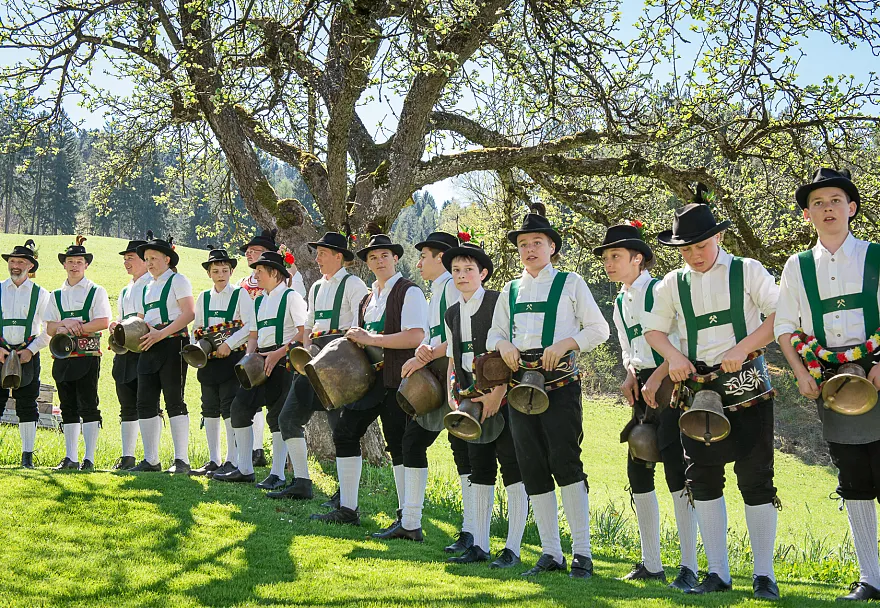
When on 23 April, St George’s Day, the bells ring out in Schwaz, there’s no chance of a lie-in. The Grasausläuter parade through the streets to drive out winter once and for all and to ring the grass out of the ground, so that it begins to sprout again. With their heavy bells, they can be heard from a great distance. No one really knows exactly how old the custom is, but it remains impressive to this day.
May Festival
May Festival
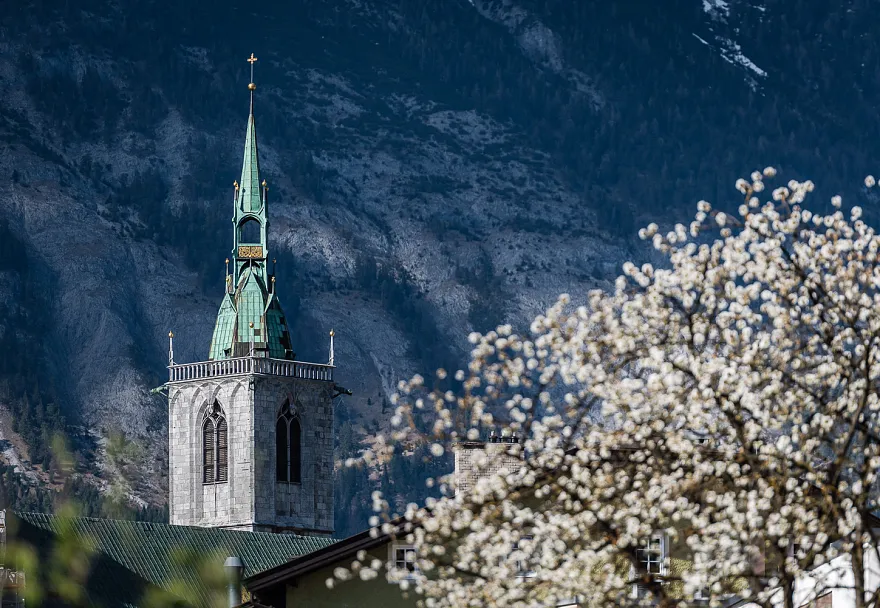
On 1 May, celebrations take place in many towns and villages across the Karwendel Silver Region. The focus is on the Maypole: a tall, decorated tree trunk that is erected through a joint effort. There is music, food and drink, and everyone comes together to welcome spring. It is a festival where locals and visitors alike are welcome.
Sacred Heart & Sacred Heart Fire
Feast of the Sacred Heart
& Sacred Heart Bonfire
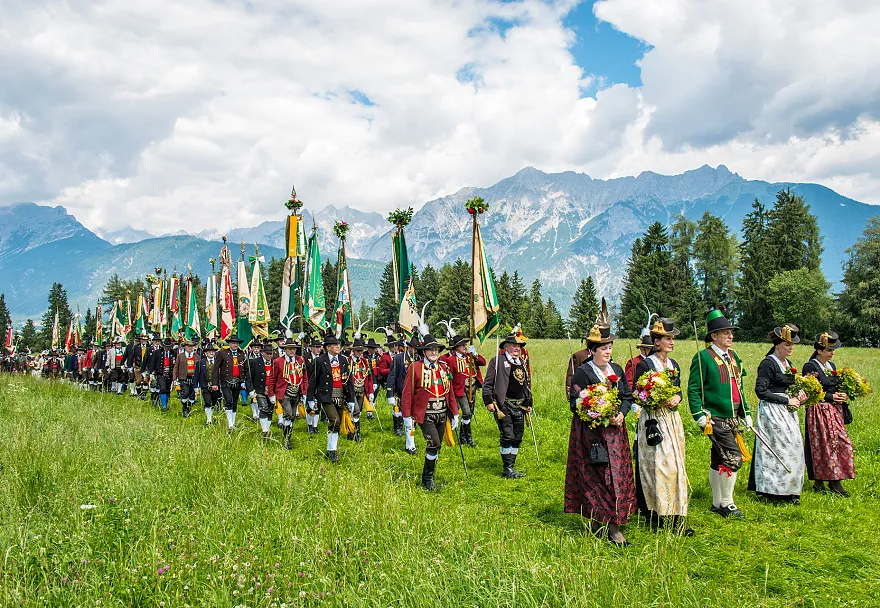
In June, a tradition dating back over 200 years is celebrated in the Karwendel Silver Region. In 1796, Napoleon’s troops were stationed on the borders of Tyrol. At that time, the Tyrolean estates entrusted the land to the Sacred Heart of Jesus and vowed to celebrate the festival solemnly every year. In the communities between the Karwendel and the Tux Alps, this vow is still upheld to this day. On Saturday evening before Sacred Heart Sunday, clubs and youth groups climb the mountains and light the Sacred Heart fires. From many small flames emerge hearts, crosses and symbols that you can see from the valley. In most villages, on Sunday, marksmen and brass bands set out for a festive service and procession, after which everyone sits together.
Tip from the region
In Weerberg, the Feast of the Sacred Heart is celebrated on the actual feast day, Sacred Heart Friday. The whole village is then filled with a festive atmosphere, yet the church service remains the centre of attention. After Holy Mass, members of around 30 associations, dressed in their traditional costumes, take part in a solemn procession through the village. They carry statues of saints and decorated altars. At the parish festival that follows, young and old sit together. There are homemade cakes and tarts, over 1,300 handmade Zillertal doughnuts and around 1,600 hand-breaded Wiener schnitzels.
Midsummer bonfire
Sun
bonfire
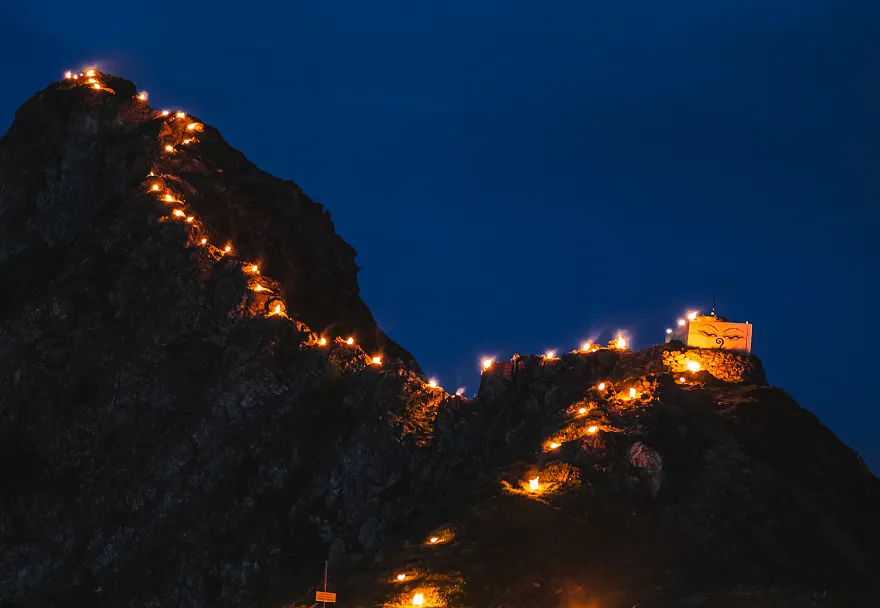
Around the longest day of the year, the mountains in Tyrol are ablaze: During the solstice bonfires, fires are lit on the slopes and on the summits, which glow far down into the valley after dark. The custom has ancient roots and celebrates the height of summer. Often, the flames even form symbols or lettering, which are prepared by volunteers over many hours of work. The best way to experience this spectacle is from the valley on a balmy summer’s evening, as one fire after another flares up.
Harvest Festival
Harvest Festival
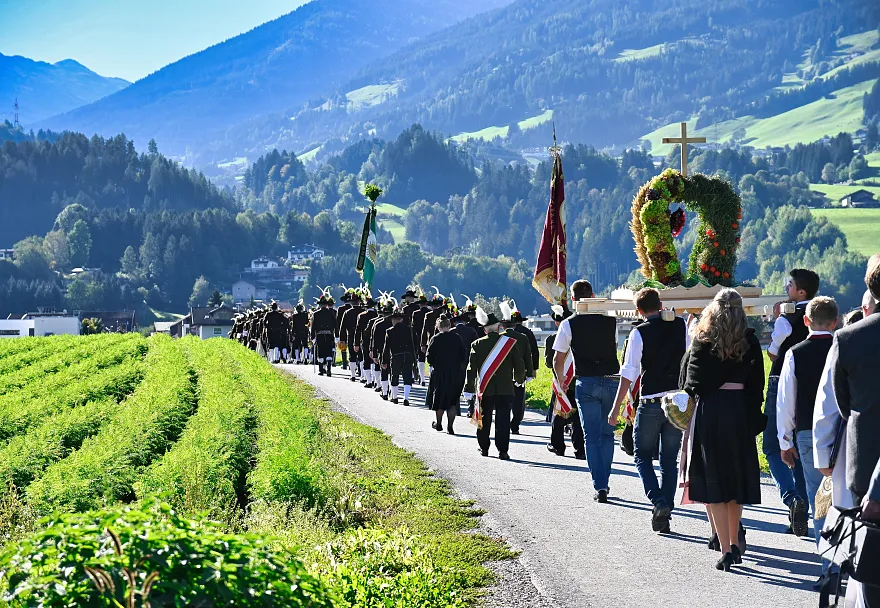
When the harvest has been brought in in autumn and the livestock return from the alpine pastures, the people of the Karwendel Silver Region give thanks. The centrepiece is the artfully woven harvest wreath, which is blessed alongside field crops and harvest offerings during the church service. Afterwards, in many places, the celebrations continue as a community, with farmers and rural youth showcasing the region’s authentic and down-to-earth traditions. A festival centred on tradition and community.
Tips
from the region

More
Discover